UC Irvine and the UC System: A Campus That Remade a City
Founded in 1965 as the city itself was taking shape, UC Irvine grew from a new campus on ranch land into a major research university at the center of its community.
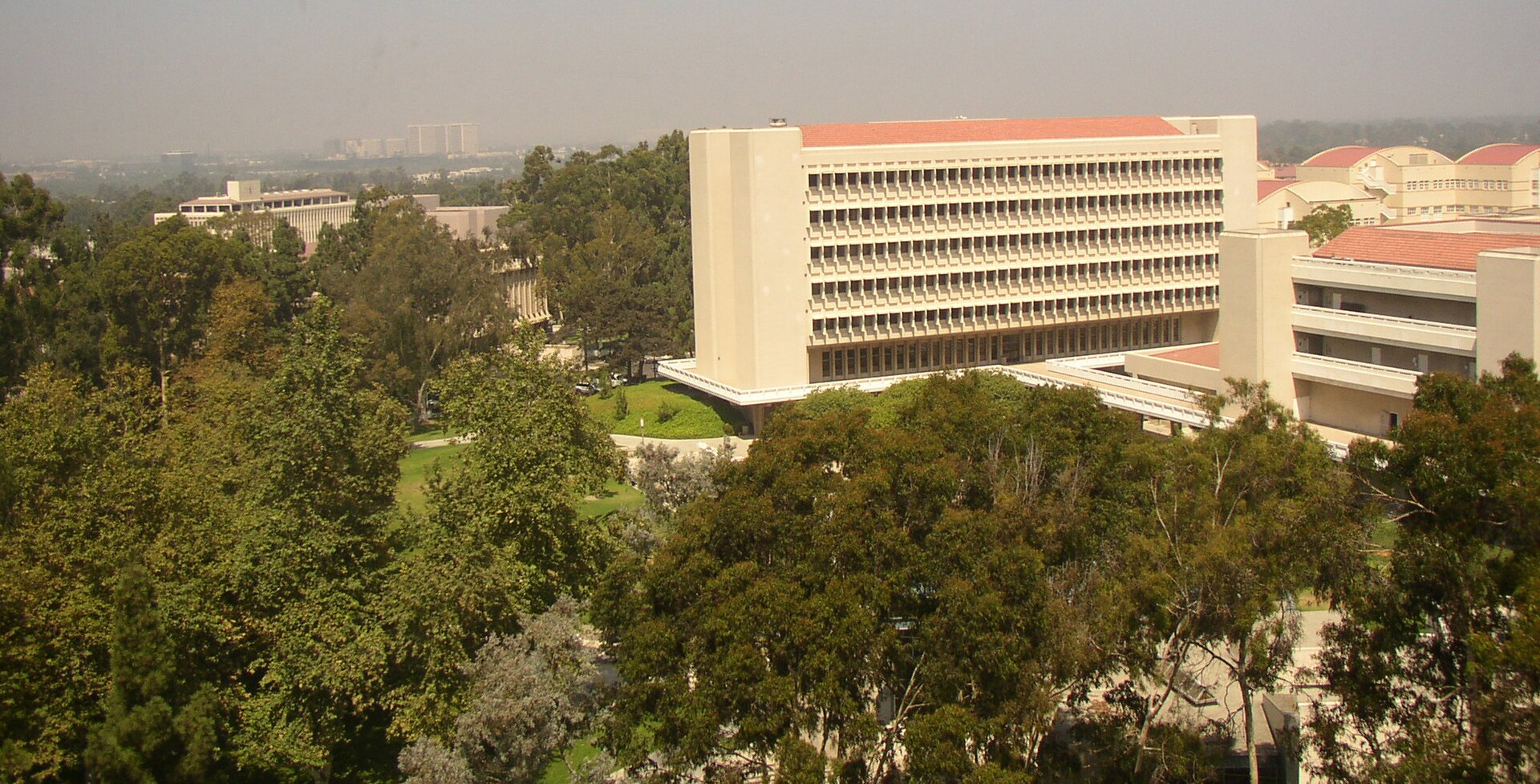
UC Irvine is unusual among American universities because it and its city were planned in the same era. The University of California selected the Irvine Ranch site in the early 1960s, and the campus opened in 1965, before much of the modern city of Irvine existed around it. Streets, villages and a major campus grew up together, each shaping the other.
The campus was laid out around a circular park, Aldrich Park, with academic buildings arranged in a ring. That design gives UC Irvine a legible center rare among large universities: from the park, the scale of the institution feels green and ordered, even as research buildings, medical and arts facilities, and student housing have expanded well beyond the original core.
Today UC Irvine is a major public research university within the University of California system, with strengths across the sciences, health, engineering, social sciences, humanities and the arts, and with a medical enterprise serving the region. Its students, faculty and staff are a large part of Irvine's daily life, filling apartments and coffee shops, riding its buses and bikes, and anchoring an innovation economy that extends into the surrounding business parks.
For residents who are not students, the campus is still worth knowing as a public place. Performances, lectures, exhibitions and athletic events draw the wider community in, and the park and public art offer a walk unlike any other in the city. UC Irvine began as a bet that a great university could be built from scratch on ranch land. Six decades on, the city around it is the evidence of how completely that bet paid off.